To Rise Above Ruins

El Suspiro de la Historia
“The sigh of history rises over ruins…Visual surprise is natural in the Caribbean—it comes with the landscape, and faced with its beauty, the sigh of history dissolves…but, poetry conjugates both tenses simultaneously: the past and the present.” excerpts from Fragments of Epic Memory
by Derek Walcott
Negotiating both past and present, I have assembled a counter archive of found, constructed and reimagined photographs to serve as a site for understanding issues surrounding my ancestral home.
Public Memory
In 1941, publisher Henry Luce announced the coming of the American Century. This moment symbolically marked the rise of the United States as a global power. He proclaimed to readers that the country was at war and it must use its power to shape and lead the international system. For my family, especially those living on the island of Puerto Rico, we saw the emergence of this century much earlier. We still carry the scars of this occupation in every seam of the landscape. So, it was here that I first observed how land became a currency and how the lives of people I loved hung in the balance of imperial political policy.
Historically, early colonial images were used as case studies for extraction or speculation. The most popular depictions of the island were published as advertisements encouraging tourism and enterprise. Later, photographers like Jack Delano and the Rosskams were commissioned by federal agencies to create a canon of imagery that brought visibility to the material conditions of life on the island.
El Suspiro de la Historia is two bodies of work. In contrast to the ways advertising photography has been used to harken tourists to visit and consume, I have recreated studio still lifes that serve to critique, questioning the cultural signifiers of “Puerto Ricanness” partially shaped by colonizing forces.
Along with advertisements, I have applied this critical approach to the documentary images which circulated since the invasion in 1898 to the dawn of the American Century interrogating their myths of neutrality and instrumentality. Taking cues from widely circulated images of Puerto Rico—touristic, documentary, and governmental—I return to the visual logic of the present. I locate these sites and work in dialogue with their earlier representations to reveal how constructions persist. Historical photographs are not fixed records of the past, but active agents that continue to shape how our condition is understood, used, and imagined today.
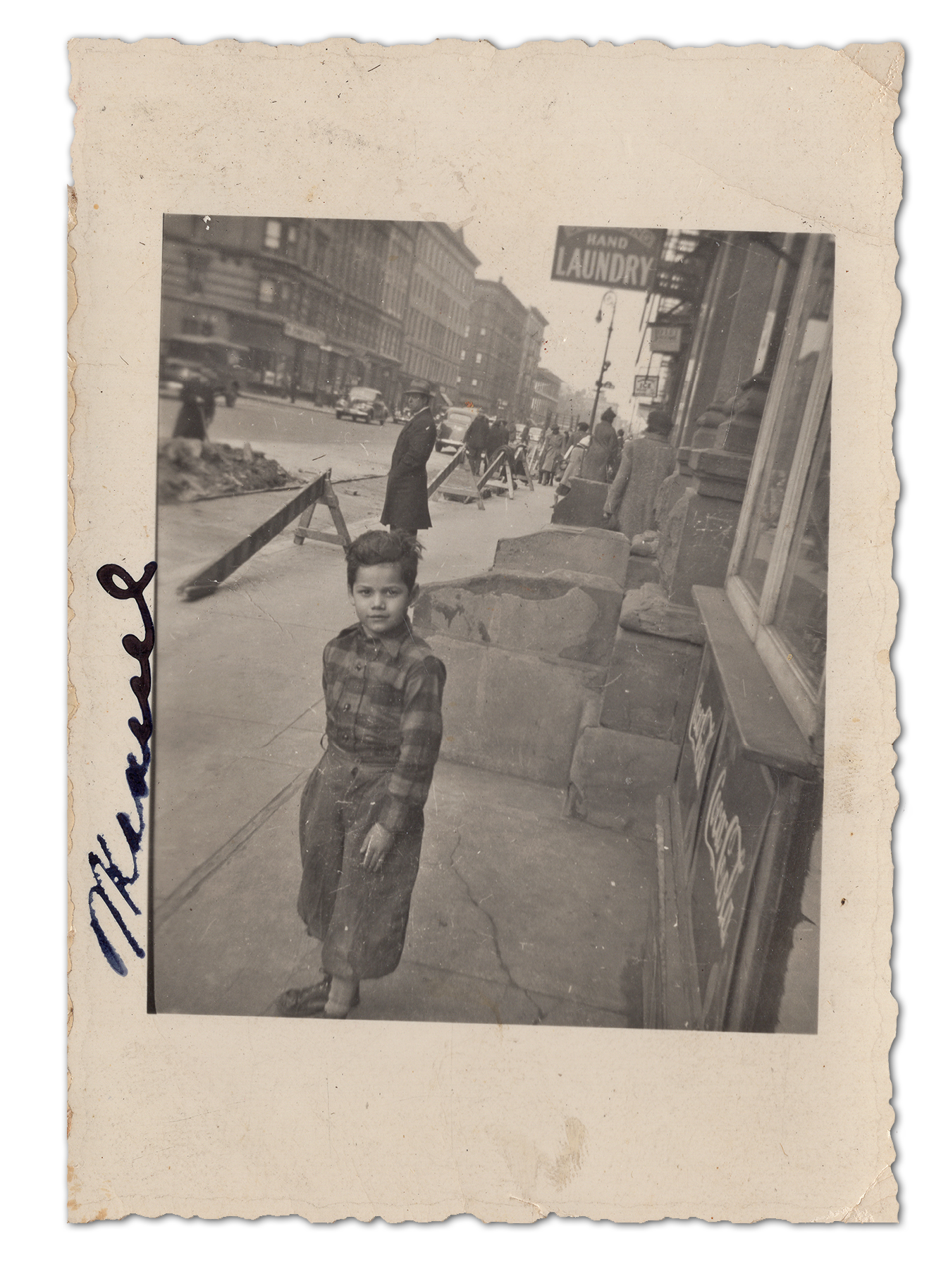
Dos Gotas de Agua
Personal Memory
People always told me I was the spitting image of my Dad. “Como dos gotas de agua…” Like two drops of water. This album pieces together personal family photographs and documents that trace the course of our migration to the states from Bayamón > Spanish Harlem > South Bronx > Central Florida. Like so many in the diaspora, they hold the stories of “what futures are promised; and which ones are forgotten.”
No Puedo Ver El Fondo
Land Memory
Early photographs of Puerto Rico’s landscape were produced in service of exploration and extraction, where natural resources—especially water—were treated as spoils of conquest. Later, tourist imagery romanticized these environments, framing them as sites of leisure and consumption. Yet the land itself holds memory, recording histories that exceed these representations.
Continuing my engagement with photographic archives by visiting politically charged sites across Puerto Rico, I respond to these visual histories by continuing the material process. I create cyanotypes along bodies of water shaped by environmental precarity and contested histories, producing images directly within rivers, oceans, and channels using only water, sunlight, and surrounding flora. In parallel, I respond to color slides often taken by tourists, working within its visual language to examine how the island has been pictured and consumed. Influenced by documentary, aerial, and survey photography, I also incorporate drone-based perspectives to engage these sites from above.
Special thanks to Dr. Hilda Lloréns, Ruth Santiago of Comité Diálogo Ambiental and José Caraballo-Pagán of Proyecto ENLACE in El Caño Martín Peña who have been essential guides in this work—and to my assistants in the field, Adrian N. Metoyer III and James M. Dailey